
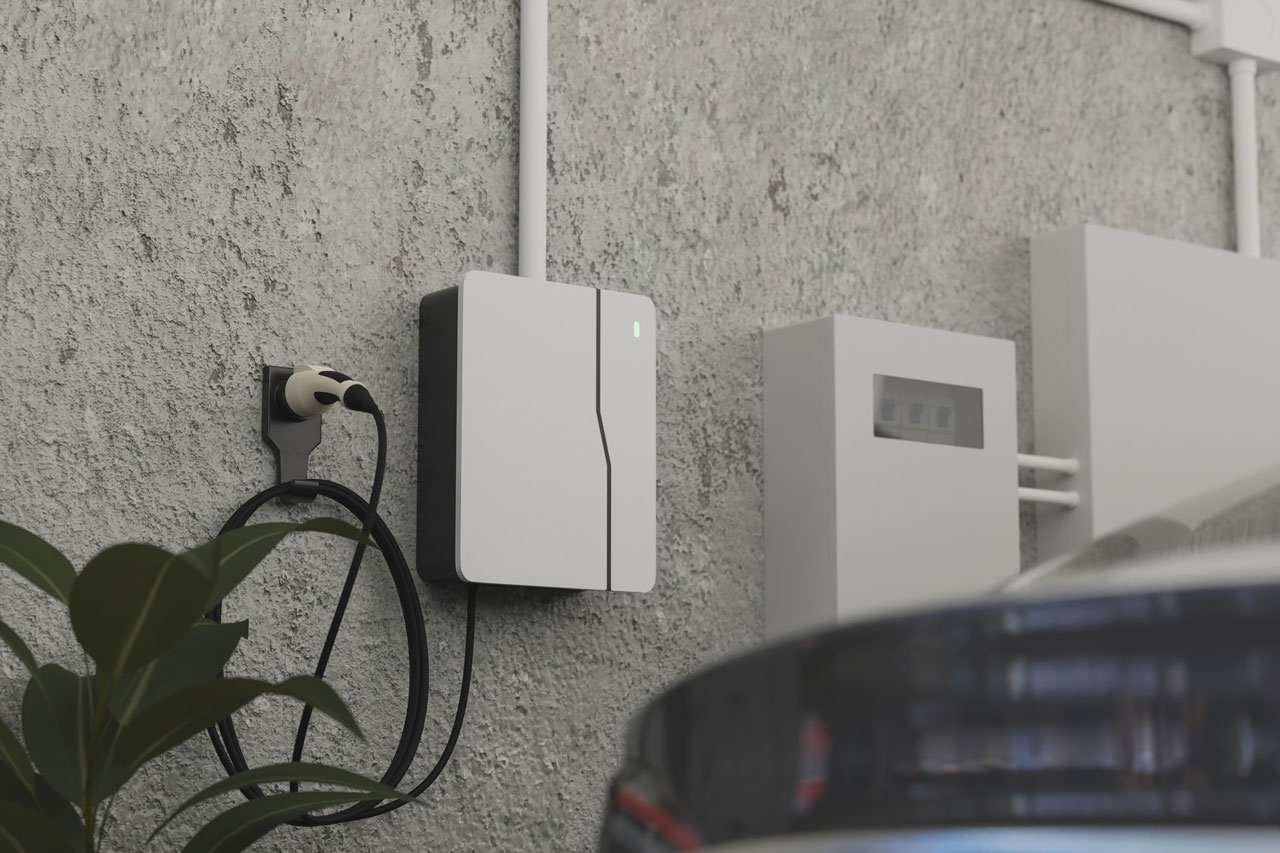
Installing an electric vehicle (EV) charging station at your Shelby County property involves more than just mounting equipment and connecting wires. The permitting process, while sometimes seeming bureaucratic, ensures safe installation that protects your property and maintains community electrical grid stability. Understanding Shelby County’s specific requirements, along with municipal variations in Germantown, Collierville, Memphis, and other jurisdictions, helps homeowners and businesses navigate the process efficiently. This comprehensive guide details everything property owners need to know about permits, codes, and compliance for EV charger installation in Shelby County, TN.
Understanding Shelby County's Electrical Permit Structure
Shelby County’s permit requirements for EV charging installations fall under electrical work regulations, requiring permits for any new circuit installation or electrical service upgrades. The county adopted the 2017 National Electrical Code (NEC) with local amendments that specifically address EV charging equipment. These requirements apply to all unincorporated areas of Shelby County, while individual municipalities maintain their own permitting offices with potentially different requirements.
The basic permit requirement applies to all Level 2 (240-volt) charging station installations, which represent the vast majority of residential and commercial installations. Even Level 1 chargers using standard 120-volt outlets require permits if new circuits are installed. The permit process serves multiple purposes: ensuring safe installation that won’t overload existing electrical systems, maintaining records for property transfers and insurance purposes, and coordinating utility infrastructure improvements when necessary.
Shelby County’s Construction Code Enforcement office processes electrical permits through their online portal or in person at their offices on Mullins Station Road. The basic electrical permit fee starts at $50 for the first $1,000 of project value, with additional fees scaled to project cost. Most residential EV charger installations fall into the $75-$150 permit fee range, though complex installations requiring panel upgrades or long circuit runs may incur higher fees.
Municipal Variations Across Shelby County Communities
Each incorporated municipality within Shelby County maintains its own building department with specific requirements that may differ from county standards. Germantown requires electrical permits for all EV charging installations and has adopted the 2020 NEC, providing more current standards than the county code. Their building department, located on Germantown Road, offers expedited permit processing for simple residential installations, often approving permits within 24-48 hours.
Collierville’s requirements include additional documentation for installations in historic districts or homes with architectural review requirements. The town’s Building and Development Department requires plot plans showing charger locations relative to property lines and structures. They’ve also implemented specific requirements for installations in attached garages, mandating certain ventilation standards based on battery charging characteristics. Collierville’s permit fees align closely with county rates but include separate inspection fees.
Memphis, covering the largest portion of Shelby County, processes EV charging permits through Memphis Light, Gas, and Water’s (MLGW) construction services department rather than typical building permits. This unique arrangement streamlines coordination with utility services but requires familiarity with MLGW’s specific application process. Memphis permits typically cost more than suburban municipalities, ranging from $100-$300, depending on installation complexity.
Smaller municipalities like Arlington, Bartlett, Lakeland, and Millington each maintain their own permit requirements. While generally following county standards, these communities may have specific local amendments. Arlington, for instance, requires additional setback documentation for detached garage installations. Bartlett mandates specific disconnect switch locations for emergency responder access. Property owners should always verify specific requirements with their local building department before beginning installation planning.
Documentation Requirements for Permit Applications
Successful permit applications require comprehensive documentation demonstrating code compliance and installation safety. The primary requirement includes detailed electrical plans showing the entire circuit path from the electrical panel to the charging station. These plans must specify wire gauge, conduit type, circuit breaker amperage, and grounding methods. Licensed electricians in Shelby County, like Echols Electrical & Services LLC, typically prepare these drawings as part of their installation services.
Load calculations represent critical documentation proving your electrical service can handle additional charging demands. These calculations must account for existing electrical loads plus the new EV charger, demonstrating compliance with NEC requirements that prevent overloading. For homes near electrical capacity, documentation might include planned load management systems or service upgrades. The standard calculation form, available from permit offices, requires listing all major appliances and their amperage draws.
Manufacturer specification sheets for the charging equipment must accompany applications. These sheets verify the equipment meets applicable safety standards, particularly UL listing requirements. The documentation must clearly show electrical requirements, including voltage, amperage, and whether a hardwired or plug-in installation is planned. For smart chargers with load management capabilities, documentation of these features may allow installation on smaller electrical services.
Property site plans showing charger placement help permit reviewers verify compliance with setback requirements and accessibility standards. For commercial installations, these plans must demonstrate ADA compliance where applicable. Residential installations in flood zones require additional documentation showing equipment elevation above base flood levels. Properties with homeowners’ association (HOA) governance need HOA approval letters before permits can be issued.
Code Compliance and Safety Standards
The National Electrical Code provides baseline requirements that all Shelby County jurisdictions enforce, with Article 625 specifically addressing Electric Vehicle Charging System requirements. Key provisions include requirements for Ground Fault Circuit Interrupter (GFCI) protection for all outlet-based installations, dedicated circuit requirements preventing shared loads, and specific disconnecting means for maintenance safety. These requirements ensure safe operation while protecting both property and the vehicle, which is why professional electrical permitting services in Shelby County are so valuable.
Ventilation requirements apply to indoor installations, particularly in attached garages. The code requires mechanical ventilation or natural ventilation meeting specific air change calculations when charging equipment is installed in enclosed spaces. This prevents potential hydrogen gas accumulation from older battery technologies, though modern lithium-ion batteries don’t produce hydrogen. Many inspectors still enforce these requirements as an abundance of caution.
Grounding and bonding requirements for EV chargers exceed standard outlet installations. The code mandates equipment grounding conductors sized according to circuit amperage, supplemental ground rods for certain outdoor installations, and proper bonding of metal raceways and enclosures. These requirements provide multiple safety layers protecting against electrical faults that could energize the vehicle chassis or charging equipment housings.
Working space clearances around charging equipment must meet NEC specifications. This includes 30 inches of clear space in front of equipment for service access, height requirements keeping equipment controls accessible but protecting them from vehicle damage, and specific requirements for outdoor installations regarding weatherproofing and physical protection. Commercial installations face additional requirements, including illumination standards and multiple disconnecting means for emergency response.
The Inspection Process and Common Compliance Issues
After permit issuance and installation completion, inspection verification ensures code compliance before energization. Shelby County typically requires two inspections: a rough-in inspection before walls are closed (if applicable) and a final inspection after complete installation. Inspectors verify wire sizing, connection integrity, grounding systems, GFCI functionality, and proper labeling. They also confirm installation matches submitted plans without unauthorized modifications.
Common inspection failures that delay project completion include undersized wire for circuit length, creating a voltage drop exceeding 3% limit. Improper torque on electrical connections causes many failures, as loose connections create resistance and heat buildup. Missing or improper equipment labeling prevents clear identification of circuits and disconnecting means. Inadequate working space around equipment blocks proper service access. Incorrect GFCI protection or testing functionality causes immediate failure.
Successful inspection requires preparation beyond just completing installation. All electrical panels must have updated circuit diagrams clearly identifying the EV charging circuit. Manufacturer installation instructions must be available on-site for inspector reference. Any deviations from submitted plans require explanation or revised documentation. Testing equipment should be available to demonstrate GFCI functionality and proper grounding.
Failed inspections require correction and re-inspection, adding time and cost to projects. Multiple failures may trigger additional fees and closer scrutiny. Working with experienced electrical contractors familiar with local requirements significantly reduces inspection failures. Echols Electrical & Services LLC maintains strong relationships with area inspectors and understands common focus areas, ensuring smooth inspection processes.
Timeline and Cost Considerations
The complete permitting process typically spans 2-4 weeks from application to final approval, though expedited processes exist in some jurisdictions. Initial permit application review takes 3-5 business days in most Shelby County locations, with simple residential installations often approved faster. Complex commercial installations or those requiring variance requests may take 2-3 weeks for initial approval. Installation can proceed once permits are issued, with inspection scheduling adding 2-3 days after completion notification.
Total permitting costs vary significantly based on installation complexity and location. Basic permit fees range from $50-$300, with most residential installations falling in the $75-$150 range. Plan review fees may apply for commercial installations or complex residential projects, adding $50-$200. Inspection fees, sometimes separate from permit costs, typically run $50-$100 per inspection. Re-inspection fees for failed inspections add $75-$150 per occurrence.
Hidden costs can surprise property owners unfamiliar with the permitting process. Professional plan preparation, if not included in contractor services, costs $200-$500. Variance applications for installations not meeting standard requirements add $250-$500 plus potential hearing delays. Service upgrades triggered by load calculations may require separate permits costing $150-$300. HOA architectural review fees in governed communities range from $50-$250.
Time delays impact project costs beyond direct fees. Seasonal permit volume creates longer wait times during spring and fall construction seasons. Inspector availability may delay final approval, preventing charger use despite complete installation. Utility coordination for service upgrades or meter changes adds weeks to project timelines. Planning buffer time prevents frustration when targeting specific completion dates.
Professional Installation Versus DIY Considerations
While some homeowners consider DIY installation to save money, permit requirements often make professional installation more practical and economical. EV charging station electricians near Shelby County, like Echols Electrical & Services LLC, handle permit applications as routine business, understanding exactly what documentation reviewers require. Our established relationships with permit offices throughout Shelby County expedite approval processes that might challenge individual applicants.
Professional installation ensures code compliance from the start, virtually eliminating inspection failures that plague DIY attempts. Experienced electricians know local inspector focus areas and common failure points, addressing these proactively during installation. They maintain proper insurance covering potential permit or inspection issues, protecting homeowners from liability. Their work typically includes warranty coverage that DIY installations cannot provide.
The false economy of DIY installation becomes apparent when considering total project costs. Permit application time valued at typical hourly wages often exceeds professional permit handling fees. Tool purchases or rentals for one-time use add significant cost. Multiple inspection failures requiring corrections and re-inspections quickly exceed professional installation costs. Potential insurance claims denials for non-professional work create enormous financial risk.
Navigating Your EV Charger Installation Permit Process
Successfully permitting EV charger installation in Shelby County requires understanding applicable requirements, preparing comprehensive documentation, and following established procedures. While the process may seem daunting, proper planning and professional assistance ensure smooth approval and safe installation. The investment in proper permitting protects property values, ensures insurance coverage, and provides peace of mind that installation meets all safety requirements.
Echols Electrical & Services LLC specializes in complete EV charger installation services throughout Shelby County, including all permit coordination. Our experienced team of local Shelby County electrical contractors handles every aspect from initial load calculations through final inspection approval. We maintain current knowledge of requirements in every Shelby County jurisdiction, ensuring your installation meets all applicable codes and standards.
Don’t let permit requirements delay your transition to electric vehicle ownership. Contact Echols Electrical & Services LLC today for a comprehensive consultation. We’ll evaluate your electrical capacity, recommend appropriate charging solutions, and handle all permitting requirements. With transparent pricing and 24-hour service availability, we make EV charger installation simple and stress-free. Let our expertise guide you through the permit process while ensuring safe, code-compliant installation that serves your needs for years to come.